
Why More Millennials Are Buying Amish Furniture in 2025
Millennials and Amish Furniture: The Rise of Sustainable, Heirloom Design
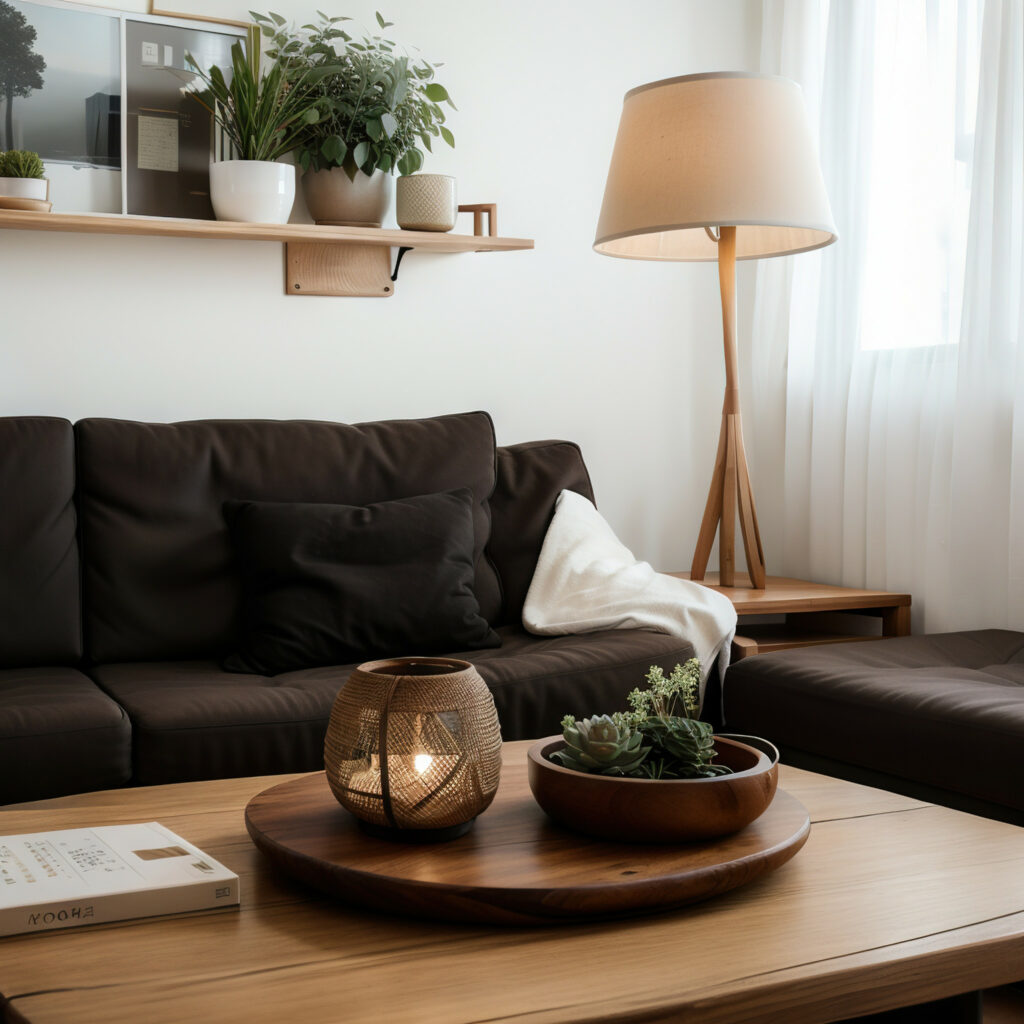
Walk into any millennial household in 2025 and you’ll notice a change. Gone are the disposable coffee tables and wobbly bookshelves of their twenties. In their place, you’ll find handcrafted dining tables, solid wood bedroom sets, and timeless living room furniture that reflects more than style. It reflects values.
Millennials aren’t just buying furniture anymore. They’re investing in Amish furniture because it aligns with what matters most to them: sustainability, heirloom quality, and authenticity. As this generation settles into homeownership and family life, Amish craftsmanship represents not just a purchase, but a lasting choice.
Millennials at Home in 2025
Millennials, now in their 30s and early 40s, make up the largest share of U.S. homeowners. Many delayed buying homes, but today they’re fully embracing renovation and design. One report found that 60% of millennial homeowners plan to renovate in 2025.
Unlike previous generations, millennials approach these projects with intention. They want furniture that lasts, pieces that reflect their values, and styles that adapt as their lives evolve. That’s why more of them are turning to Amish furniture, where timeless design and enduring construction meet their vision of home.
Why Sustainability Matters
No group has reshaped sustainable furniture trends more than millennials. They grew up during conversations about climate change and waste, and today they buy with those lessons in mind. Studies show that millennials are more likely to choose sustainable brands and are even willing to pay more for eco-friendly products.
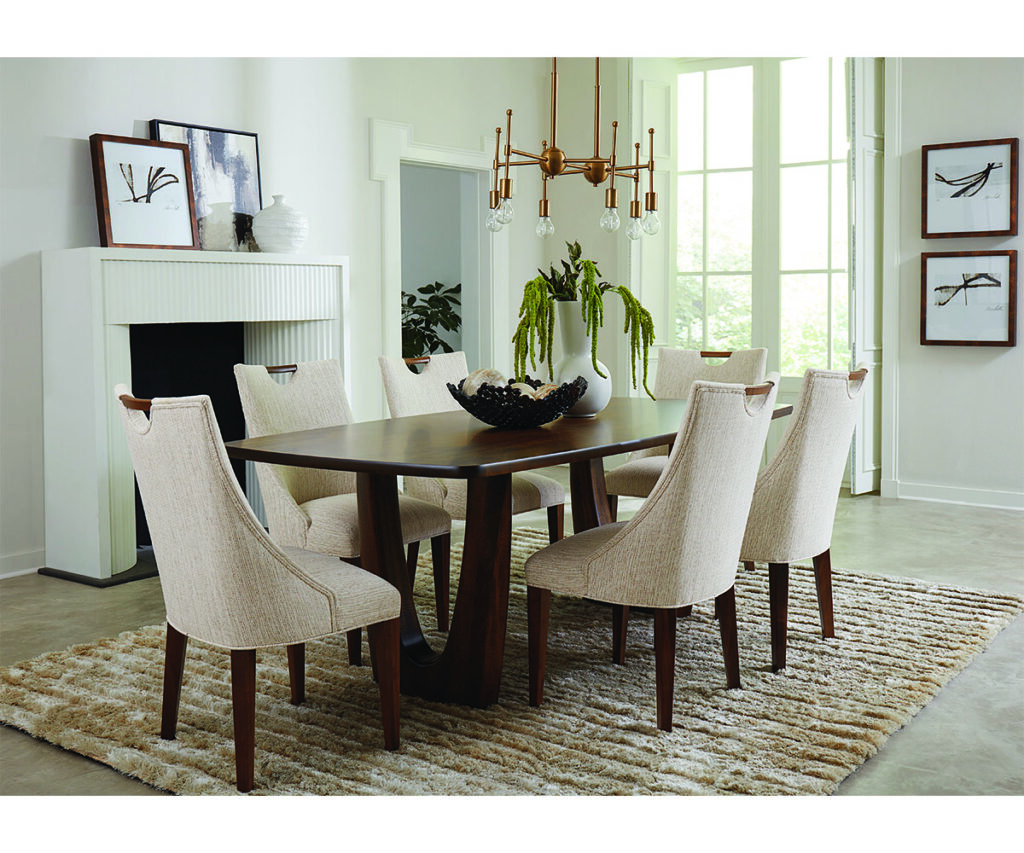
Amish furniture naturally fits this priority. Built from locally sourced hardwoods, finished with low-VOC or non-toxic stains, and crafted with minimal waste, it represents eco-friendly production in its purest form. As Amish Direct Furniture notes:
“Millennials are increasingly concerned about sustainability and environmental impact, making Amish furniture an attractive option due to its eco-friendly production methods. Unlike factory-made furniture that may contribute to deforestation and pollution, Amish artisans typically source their materials locally and use non-toxic finishes.”
For millennials who care where their dollars go, buying Amish means supporting artisans and the environment at the same time.
The Heirloom Quality Difference
Cheap furniture may save money at the register, but it rarely survives more than a handful of years. Millennials have lived through enough broken drawer slides and chipped finishes to know better. That’s why heirloom-quality furniture appeals so strongly. It’s the antidote to disposable living.
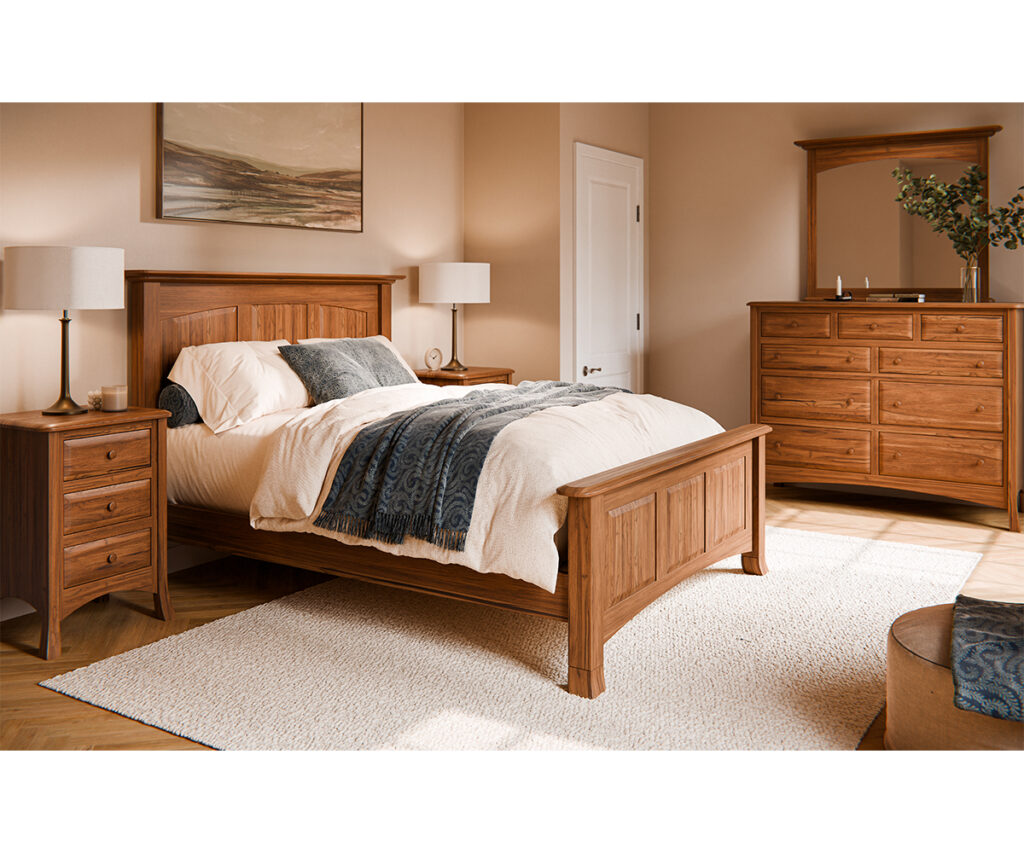
Amish furniture embodies this idea: a handcrafted oak dining table can host everything from weeknight dinners to holiday gatherings and still look beautiful for decades to come. A solid maple dresser can be passed down as a family heirloom, carrying not only utility but also memory. For a generation that values experiences and legacy, that continuity matters.
Financially, it also makes sense. While Amish furniture costs more upfront, it avoids the endless cycle of replacements. Over a lifetime, that’s not just sustainable for the planet, it’s sustainable for the wallet.
Authenticity and Personalization
Millennials also crave authenticity. They grew up surrounded by mass-produced goods and now want furniture with a story. Amish furniture offers precisely that. Each piece is handmade by skilled artisans and can be customized in terms of: wood species, finish, size, and even hardware.
No two pieces are alike, and that uniqueness resonates. As millennials design homes that reflect their identities, they tend to gravitate toward custom dining tables, bookshelves, and bedroom sets that feel personal, rather than cookie-cutter. That customization, combined with craftsmanship, makes Amish furniture stand out in a crowded market.

A Smart Investment in Sustainable Living
Economic pressures shape millennial decision-making. From student loans to higher housing costs, they think carefully about where their money goes. Amish furniture delivers both value and principle: it may cost more initially, but its durability and resale value ensure it pays off in the long run.
This trend ties directly to the broader furniture market. The U.S. sustainable furniture market is projected to reach $16.48 billion by 2030 (Mordor Intelligence). That growth is primarily driven by younger buyers who seek to align their purchases with sustainability and long-term value. Amish craftsmanship sits at the intersection of both.
Style That Lasts
Beyond sustainability and investment, Amish furniture delivers something millennials prize: timeless style, clean lines, natural wood grains, and simple silhouettes that blend effortlessly with popular design movements like farmhouse, modern rustic, and minimalist.
For millennials who frequently move or combine work and family life in the same spaces, adaptability is key. A handcrafted table looks at home in a city loft, a suburban dining room, or a rural farmhouse. Because it’s built to last, it transitions seamlessly through every stage of life.
Looking Ahead
Millennials may be driving the trend now, but Gen Z is already following suit. Early research shows they value sustainability, authenticity, and buying fewer but better things just as strongly. As they enter the housing market, demand for heirloom-quality furniture is expected to grow.
Industry projections confirm this. The global furniture market is expected to climb from $540 billion in 2025 to $684.5 billion by 2035, with wood furniture maintaining a dominant share (Future Market Insights). Within that growth, sustainable and handcrafted pieces will continue gaining ground.
Conclusion
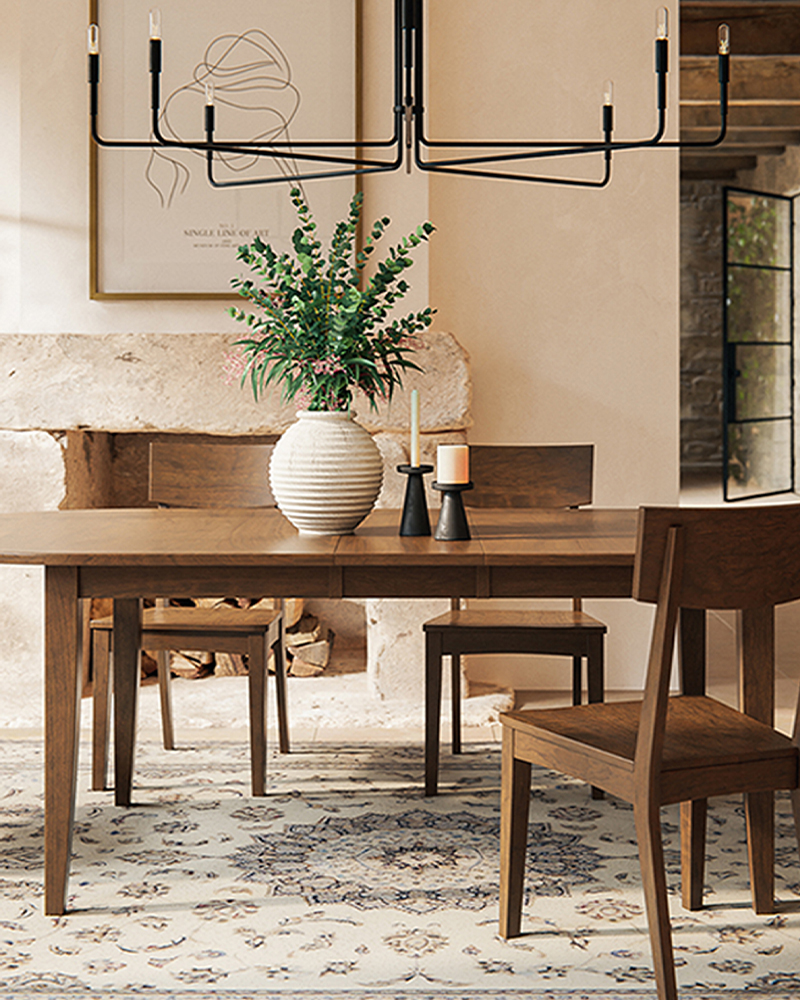
Millennials are transforming the way America buys furniture. They’re leaving behind disposable trends and choosing pieces that align with their values: sustainability, authenticity, and heirloom quality. Amish furniture answers that call perfectly.
Each handcrafted piece carries a story, a commitment to the environment, and a promise to last for generations. For millennials, it’s not just about decorating a home; it is about building a legacy.
Amish furniture offers them exactly that: furniture that matters, furniture that lasts, and furniture that tells a story worth passing down.








 Are you a visual person? Check out our video to see how easy our process is!